Sustainable and Eco-Friendly Jewelry FAQ
Recycled Stainless Steel, Ethical Sourcing, Carbon Footprint, and Green Retail
Sustainability Is No Longer Optional in Jewelry Retail
The jewelry industry has a sustainability problem. Traditional gold mining uses toxic chemicals like cyanide and mercury, destroys ecosystems, and generates massive carbon emissions. A single gold ring can produce 20 tons of mining waste. Consumers know this, and they are changing their buying habits. A 2026 survey found that 60% of Gen Z and millennial shoppers say they would pay 10 to 20% more for jewelry from a sustainable brand.
Stainless steel is quietly becoming the sustainability hero of the jewelry industry. It is 100% recyclable, often made from 60 to 90% recycled scrap metal, and does not require destructive mining for precious metals. A stainless steel necklace has a fraction of the carbon footprint of a gold or silver necklace, and it lasts for decades without tarnishing or breaking, keeping it out of landfills.
This guide answers the most common questions about sustainable and eco-friendly jewelry, from recycled materials and ethical sourcing to packaging and carbon footprint. These answers are based on current industry data and what successful sustainable jewelry brands are doing in 2026.
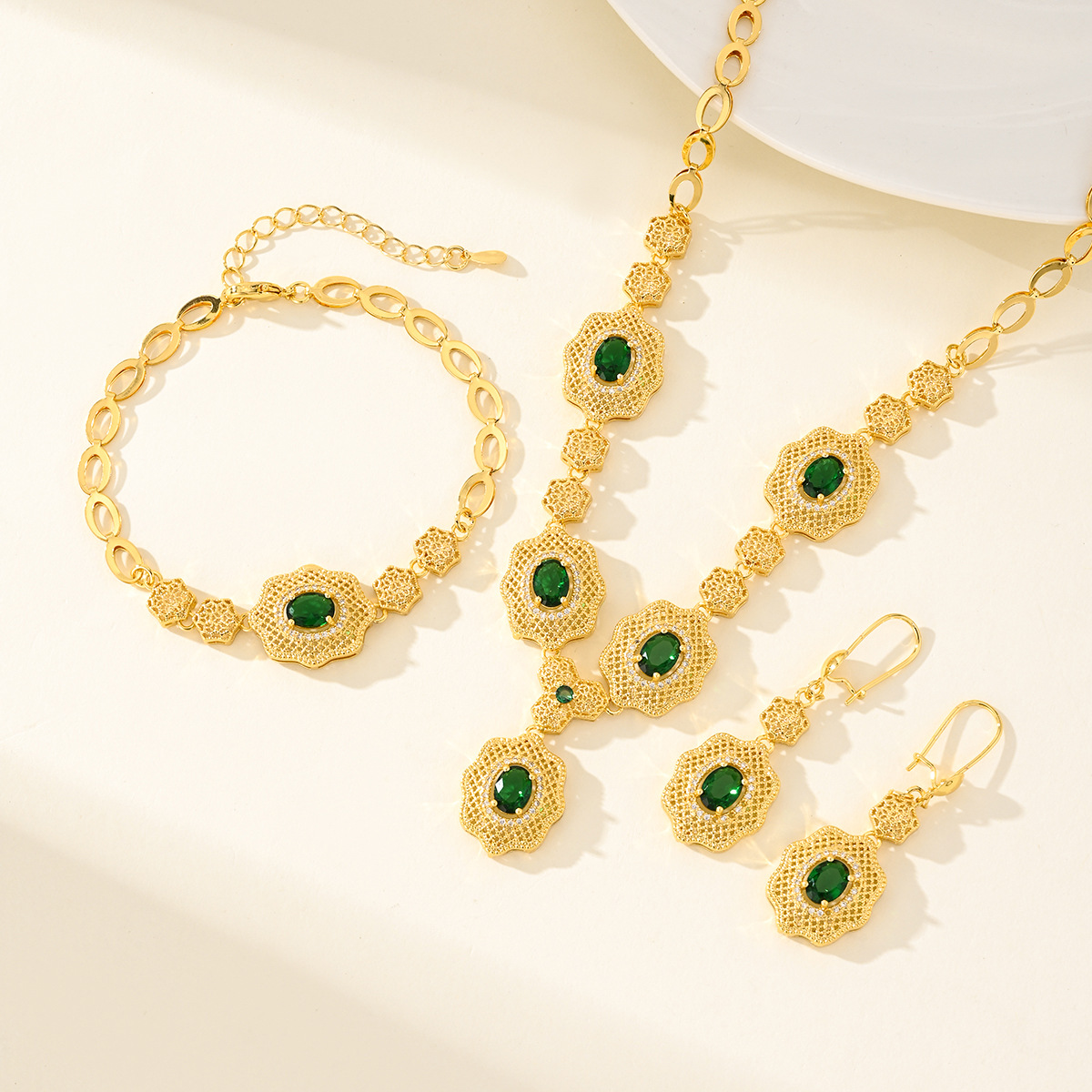
The sustainability truth about stainless steel: Stainless steel is one of the most recycled materials on Earth, with a global recycling rate of about 90%. Most stainless steel jewelry contains 60 to 90% recycled content from post-consumer scrap (old appliances, car parts, construction steel). It can be melted down and reformed infinitely without losing quality or strength. This means a stainless steel necklace you sell today could contain metal from a 1980s refrigerator, and when the customer is done with it, it can become someone else's jewelry. This circular lifecycle is what makes stainless steel the most sustainable jewelry material available at scale.
Material and Recycling Questions
Is stainless steel jewelry really eco-friendly?
Yes, stainless steel is one of the most eco-friendly jewelry materials available, especially compared to gold, silver, and fashion alloy jewelry. Here is why: (1) Recyclability: Stainless steel is 100% recyclable with a 90% global recycling rate, one of the highest of any material. It can be melted and reformed infinitely without quality loss. (2) Recycled content: Most stainless steel contains 60 to 90% recycled scrap, reducing the need for new iron ore mining. (3) No toxic mining: Unlike gold mining (which uses cyanide and mercury) or silver mining, stainless steel production does not involve highly toxic extraction chemicals. (4) Longevity: Stainless steel does not tarnish, rust, or break easily. A piece can last 10 to 30 years, keeping it out of landfills far longer than plated fashion jewelry that wears out in months. (5) Low carbon footprint: Producing stainless steel from recycled scrap uses 60 to 75% less energy than producing from virgin ore. (6) Biocompatible: Stainless steel is inert and does not leach chemicals into the environment or the body. The main environmental drawback of stainless steel is that it is energy-intensive to produce from virgin ore, but this is largely offset by the high recycled content and long product life. For retailers, marketing stainless steel as a sustainable choice is not just a trend; it is factually accurate.
What does "recycled stainless steel" mean and how do I verify it?
Recycled stainless steel means the steel was produced from post-consumer or post-industrial scrap metal rather than virgin iron ore. The scrap comes from sources like old cars, appliances, construction materials, and manufacturing offcuts. Here is what you need to know: (1) Most stainless steel on the market already contains 60 to 90% recycled content, because it is economically and environmentally beneficial to use scrap. (2) However, "recycled stainless steel" is not a certified term in most countries. Unlike recycled gold (which has certification programs like SCS Global Services or Responsible Jewellery Council), stainless steel recycling is often not tracked through the supply chain. (3) To verify recycled content, ask your supplier for a Material Test Report (MTR) that includes the melt source. Some suppliers can provide steel from certified recycled sources with documentation. (4) If full certification is not available, you can still honestly market stainless steel as "highly recyclable" and "made with recycled content" because this is true for the vast majority of stainless steel produced. (5) For brands that want full traceability, some suppliers offer 100% certified recycled stainless steel at a 5 to 15% price premium. This is worth it if your brand positioning is heavily focused on sustainability. (6) Be careful not to overclaim. Saying "100% recycled" without documentation is greenwashing. Saying "made from highly recyclable stainless steel" or "stainless steel is 100% recyclable" is accurate and safe.
How does stainless steel compare to other sustainable jewelry materials?
There are several sustainable jewelry materials, each with pros and cons: (1) Recycled stainless steel: 100% recyclable, 60-90% recycled content, very durable, affordable, hypoallergenic. Best for everyday fashion jewelry. Carbon footprint: low to medium. (2) Recycled gold/silver: 100% recyclable, but still requires refining energy. Much more expensive. Best for fine jewelry. Carbon footprint: medium to high (even recycled gold requires significant refining energy). (3) Titanium: 100% recyclable, extremely durable, nickel-free, but more energy-intensive to produce than steel. Best for body jewelry and premium pieces. (4) Brass/bronze: recyclable, but often contains lead and can tarnish. Less durable. Carbon footprint: medium. (5) Wood/natural materials: biodegradable, but less durable and may involve deforestation. Best for boho/niche styles. (6) Glass: recyclable, but fragile. Best for statement pieces. (7) Lab-grown diamonds/gems: lower environmental impact than mined stones, but still energy-intensive. Best for fine jewelry. For fashion jewelry at scale, stainless steel offers the best balance of sustainability, durability, affordability, and style. It is the only material that combines 100% recyclability with a price point accessible to mass-market consumers. This is why recycled stainless steel has been called "the hero of the 2026 jewelry market" by industry analysts.
What is the carbon footprint of stainless steel jewelry compared to gold?
The carbon footprint difference is enormous. Here is a rough comparison based on lifecycle analysis data: (1) Gold jewelry: Producing 1 gram of gold from mining generates approximately 16 to 20 kg of CO2 equivalent. A 5-gram gold necklace generates 80 to 100 kg of CO2, equivalent to driving 200 to 250 miles in a car. This includes mining, extraction, refining, and fabrication. (2) Recycled gold: Producing 1 gram of recycled gold generates about 0.1 to 0.5 kg of CO2, a 95 to 99% reduction. But the supply chain for certified recycled gold is still limited and expensive. (3) Stainless steel from recycled scrap: Producing 1 gram of stainless steel from recycled scrap generates approximately 0.003 to 0.008 kg of CO2. A 10-gram stainless steel necklace generates 0.03 to 0.08 kg of CO2. (4) This means a stainless steel necklace has roughly 1,000 to 3,000 times lower carbon footprint than a similar gold necklace from mined gold, and 5 to 10 times lower than recycled gold. (5) The main energy use in stainless steel production is the electric arc furnace melting process, which is becoming greener as the grid shifts to renewable energy. (6) For retailers, this data is a powerful marketing tool. A customer who cares about climate change will be very interested to know that choosing stainless steel over gold reduces their jewelry carbon footprint by over 99%. This is a compelling story that differentiates your brand from competitors selling gold and silver.
| Material | Recyclable? | Recycled Content | CO2 per Gram | Durability | Cost Level |
|---|
| Stainless Steel (recycled) | Yes, 100% | 60-90% | 0.003-0.008 kg | 10-30 years | Low |
| Titanium | Yes, 100% | 30-60% | 0.02-0.05 kg | 20+ years | Medium |
| Recycled Gold | Yes, 100% | 100% (certified) | 0.1-0.5 kg | Lifetime | High |
| Mined Gold | Yes, 100% | 0-30% | 16-20 kg | Lifetime | Very High |
| Sterling Silver | Yes, 100% | 40-70% | 0.5-2 kg | 10-20 years | Medium-High |
| Brass/Alloy | Yes | 20-50% | 0.01-0.03 kg | 1-3 years | Very Low |
| Plastic/Resin | Rarely | 0-10% | 0.005-0.02 kg | 1-2 years | Very Low |
Sourcing and Ethical Questions
Is stainless steel jewelry ethically sourced?
Stainless steel has significant ethical advantages over precious metal jewelry, but it is not perfect. Here is the breakdown: (1) No conflict minerals: Stainless steel is made from iron, chromium, nickel, and molybdenum. None of these are classified as conflict minerals (unlike gold, tin, tungsten, and tantalum, which fund armed conflict in some regions). (2) Transparent supply chain: The global steel industry is large, regulated, and relatively transparent compared to artisanal gold mining. Major steel producers are publicly traded companies subject to environmental and labor regulations. (3) Labor conditions: Steel production is industrialized and mechanized, reducing the risk of child labor and exploitative artisanal mining that plagues the gold and gemstone sectors. (4) Nickel sourcing: Nickel mining (primarily in Indonesia, the Philippines, and Russia) has environmental concerns, including deforestation and pollution. However, the high recycled content of stainless steel (60-90%) reduces the demand for virgin nickel. (5) Chromium and molybdenum: These are mined in several countries with varying regulatory standards. Again, recycled content reduces virgin demand. (6) For retailers who want maximum ethical assurance, look for suppliers who source steel from certified producers (ISO 14001 environmental management, ISO 45001 occupational health and safety) and who can provide supply chain documentation. (7) Compared to the gold supply chain, which involves millions of artisanal miners in developing countries with limited regulation, the stainless steel supply chain is far more traceable and ethically manageable. This is a meaningful selling point for ethically conscious consumers.
How do I find a sustainable stainless steel jewelry supplier?
Not all stainless steel suppliers are equally sustainable. Here is how to evaluate and find the best ones: (1) Ask about recycled content: What percentage of the steel is from recycled scrap? Reputable suppliers will know this and can provide documentation. (2) Ask about factory certifications: ISO 14001 (environmental management), ISO 9001 (quality management), and ISO 45001 (occupational health) indicate a professionally run facility. (3) Ask about energy sources: Does the factory use renewable energy? Some Chinese factories are shifting to solar and wind, which reduces carbon footprint. (4) Ask about waste management: How does the factory handle manufacturing waste, wastewater, and chemical disposal? A sustainable supplier will have proper treatment systems. (5) Ask about packaging: Does the supplier use plastic-free or recycled packaging? Can they ship in bulk to reduce packaging waste? (6) Visit the factory if possible, or ask for a virtual tour. A factory that is proud of its sustainability practices will be happy to show you. (7) Look for suppliers who specialize in stainless steel rather than general fashion jewelry. Specialists tend to have better quality control and more sustainable processes because they focus on one material. (8) Start with a small sample order to evaluate quality and packaging before committing to large orders. (9) For Showfay specifically, as a factory-direct supplier established in 1998, they have the scale and experience to implement sustainable practices. Ask about their recycled content and certification options. The key is to ask specific questions and document the answers. A supplier who cannot answer basic sustainability questions is probably not prioritizing it.
What sustainable packaging options are available for jewelry?
Packaging is a major part of a jewelry brand's environmental impact. Here are the sustainable options: (1) Recycled cardboard boxes: Made from 100% post-consumer recycled paper. Affordable, recyclable, and biodegradable. The most popular sustainable option. (2) FSC-certified paper: From responsibly managed forests. Slightly more expensive but certified sustainable. (3) Plant-based plastics (PLA): Made from cornstarch or sugarcane, biodegradable in industrial composting facilities. Good for poly mailers and bags. (4) Reusable fabric pouches: Cotton or linen drawstring bags that customers can reuse. Adds a premium feel and reduces waste. (5) Seed paper: Paper embedded with wildflower seeds that customers can plant. Unique and memorable, but more expensive. (6) Mushroom packaging (mycelium): Grown from mushroom roots, fully compostable. Innovative but still expensive and limited. (7) Bulk packaging: For wholesale orders, shipping in bulk without individual packaging reduces waste significantly. (8) Avoid: virgin plastic boxes, single-use plastic poly bags, foam inserts, and excessive packaging that serves no functional purpose. (9) The most effective sustainable packaging strategy is "less is more": use the minimum packaging needed to protect the product, made from recycled or compostable materials. A simple recycled cardboard box with a tissue paper wrap and a small card is elegant, sustainable, and affordable. (10) Tell your customers about your sustainable packaging. 60% of consumers say they would choose a brand with sustainable packaging over a competitor. It is a selling point, not just a cost.
Retail and Marketing Questions
How do I market sustainable jewelry without greenwashing?
Greenwashing is a serious risk in sustainable marketing. Consumers and regulators are increasingly skeptical of vague eco-claims. Here is how to market sustainability honestly: (1) Be specific. Instead of "eco-friendly jewelry," say "made from 100% recyclable stainless steel with 60-90% recycled content." Specific claims are credible; vague claims are not. (2) Use data. "Our stainless steel necklaces have a 99% lower carbon footprint than gold necklaces" is powerful if you can back it up. Cite your sources. (3) Show your process. Photos or videos of the recycling process, factory, and packaging make sustainability tangible. Behind-the-scenes content builds trust. (4) Be transparent about limitations. "Stainless steel production uses energy, but our high recycled content reduces our footprint by 70%" is more credible than pretending you have zero impact. (5) Avoid uncertified claims. Do not say "100% recycled" unless you have documentation. Do not say "carbon neutral" unless you have verified offsets. (6) Focus on longevity. "Our jewelry lasts 10+ years, reducing the need for replacement" is a strong sustainability message that is easy to prove. (7) Use recognized terms: "recyclable," "recycled content," "hypoallergenic," "long-lasting." These are factual and verifiable. (8) Avoid trendy but meaningless terms: "eco-luxury," "green jewelry," "earth-friendly" without specifics. These are greenwashing red flags. (9) Consider third-party certification if your brand is heavily sustainability-focused. B Corp certification, Climate Neutral, or 1% for the Planet add credibility but require real commitment. (10) The best sustainability marketing is simple: tell the truth about what you do, show your work, and keep improving. Customers can spot authenticity, and they reward it with loyalty.
Do customers really pay more for sustainable jewelry?
Yes, but the premium varies by segment: (1) Gen Z and millennials (ages 18-40): 60 to 70% say they would pay 10 to 20% more for sustainable jewelry. This is your core demographic for fashion jewelry. (2) Gen X and baby boomers: 35 to 45% are willing to pay a premium, but they care more about quality and brand reputation than sustainability messaging. (3) The premium is higher for fine jewelry ($200+) where sustainability is a differentiator, and lower for budget fashion jewelry ($10-$30) where price sensitivity is higher. (4) However, "willing to pay more" does not always translate to actual purchasing behavior. Many customers say they care about sustainability but still choose the cheaper option at checkout. (5) The most effective approach is not to charge more for sustainable jewelry, but to use sustainability as a differentiator that justifies your existing price point. If your stainless steel jewelry is the same price as competitor alloy jewelry, but yours is sustainable and hypoallergenic, customers will choose yours. (6) Sustainable messaging increases conversion rate by 10 to 25% for brands that communicate it well, even without a price premium. (7) It also increases customer loyalty and repeat purchase rate, because sustainable shoppers tend to be more brand-loyal. (8) For wholesale buyers (boutiques, online retailers), sustainability is increasingly a buying criterion. Many boutique buyers now ask suppliers about sustainable materials and packaging before placing orders. Offering sustainable options can open doors to retailers who would otherwise not consider your line. The bottom line: sustainability is not just a marketing gimmick; it is a business advantage that drives both sales and loyalty when done honestly.
How do I build a sustainability story for my jewelry brand?
A compelling sustainability story goes beyond "we use recycled materials." It connects your materials to your values and your customers' values. Here is how to build one: (1) Start with your "why." Why did you choose stainless steel? Was it because you wanted durable, affordable, sustainable jewelry? Was it because you were frustrated with fast fashion waste? Be authentic. (2) Focus on the three pillars of jewelry sustainability: materials (recycled stainless steel), longevity (10+ year lifespan), and packaging (recycled/compostable). These are concrete and verifiable. (3) Tell the recycling story: "Your necklace could contain metal from an old bridge or a retired refrigerator, and when you are done with it, it can become someone else's jewelry." This circular narrative is powerful and memorable. (4) Compare to alternatives: "A gold necklace generates 100 kg of CO2. Ours generates 0.05 kg. That is 2,000 times less impact." Numbers make the story real. (5) Share your journey, not just your destination. "We started with recycled stainless steel. Next, we are switching to 100% recycled packaging. By 2027, we aim to be carbon neutral." Honesty about progress builds more trust than claiming perfection. (6) Create a dedicated "Sustainability" page on your website with details about materials, packaging, suppliers, and goals. Link to it from every product page. (7) Use social media to show behind-the-scenes: factory visits, recycling process, packaging unboxing. Video content about sustainability gets 2 to 3 times more engagement than product-only content. (8) Invite customers into the story: "Send us your old jewelry for recycling and get 10% off your next order." A take-back program turns customers into sustainability partners. (9) Keep it simple. You do not need to solve climate change; you just need to be transparent about what you are doing and keep improving. Customers respond to authenticity more than perfection.
- Stainless steel is 100% recyclable with 90% global recycling rate. 60-90% recycled content in most jewelry.
- Carbon footprint: 0.003-0.008 kg CO2 per gram, 1,000-3,000x lower than mined gold.
- No conflict minerals: Iron, chromium, nickel are not conflict minerals. More transparent supply chain than gold.
- Longevity = sustainability: 10-30 year lifespan keeps jewelry out of landfills. Durability is eco-friendly.
- Sustainable packaging: Recycled cardboard, FSC paper, PLA bags, fabric pouches. Less is more.
- Avoid greenwashing: Be specific, use data, show your process, be transparent about limitations.
- Customers pay 10-20% more for sustainable options (Gen Z/millennial). Sustainability increases conversion 10-25%.
- Build a story: Circular recycling narrative, carbon comparison, sustainability page, take-back program.
Final Sustainability Advice
Sustainability is not a marketing trend that will fade. It is a fundamental shift in how consumers think about the products they buy, and jewelry is no exception. The brands that embrace sustainability honestly and transparently will build deeper loyalty and outlast competitors who treat it as a buzzword.
Stainless steel gives you a genuine sustainability story to tell. It is 100% recyclable, made mostly from recycled scrap, has a tiny carbon footprint compared to precious metals, and lasts for decades. These are not marketing claims; they are material facts. Use them.
But remember that sustainability is a journey, not a destination. Start with what you can control: your materials, your packaging, your messaging. Keep improving. Be honest about what you do and do not do. Your customers will respect the honesty, and the planet will benefit from every piece of durable, recyclable stainless steel jewelry you sell instead of disposable fashion jewelry.
Related Reading
Source Sustainable Stainless SteelHigh Recycled Content · 100% Recyclable · Low Carbon Footprint
Request Eco-Friendly PackagingFactory-Direct Since 1998 · 31,000+ Styles · Low MOQ $150